LPG vs Natural Gas at Home
Two fuels run the cooktops, heaters and hot water units of Queensland, and lpg vs natural gas is a question about supply rather than quality. Natural gas is methane, delivered through a buried pipe from a metered network. LPG, or liquefied petroleum gas, is kept liquid under pressure in bottles and tanks, vaporising for the appliance.
If we're late, $100 comes off your bill

- Licensed and InsuredEvery job done by a licensed plumber. QBCC No: 15024607
- Fixed Quote FirstFlat-rate pricing, agreed before any work starts
- Lifetime Labour WarrantyBacked by our Fix-It-or-It's-Free guarantee (T&Cs apply)
- $0 Call-Out FeesNo extra charge for nights, weekends or public holidays
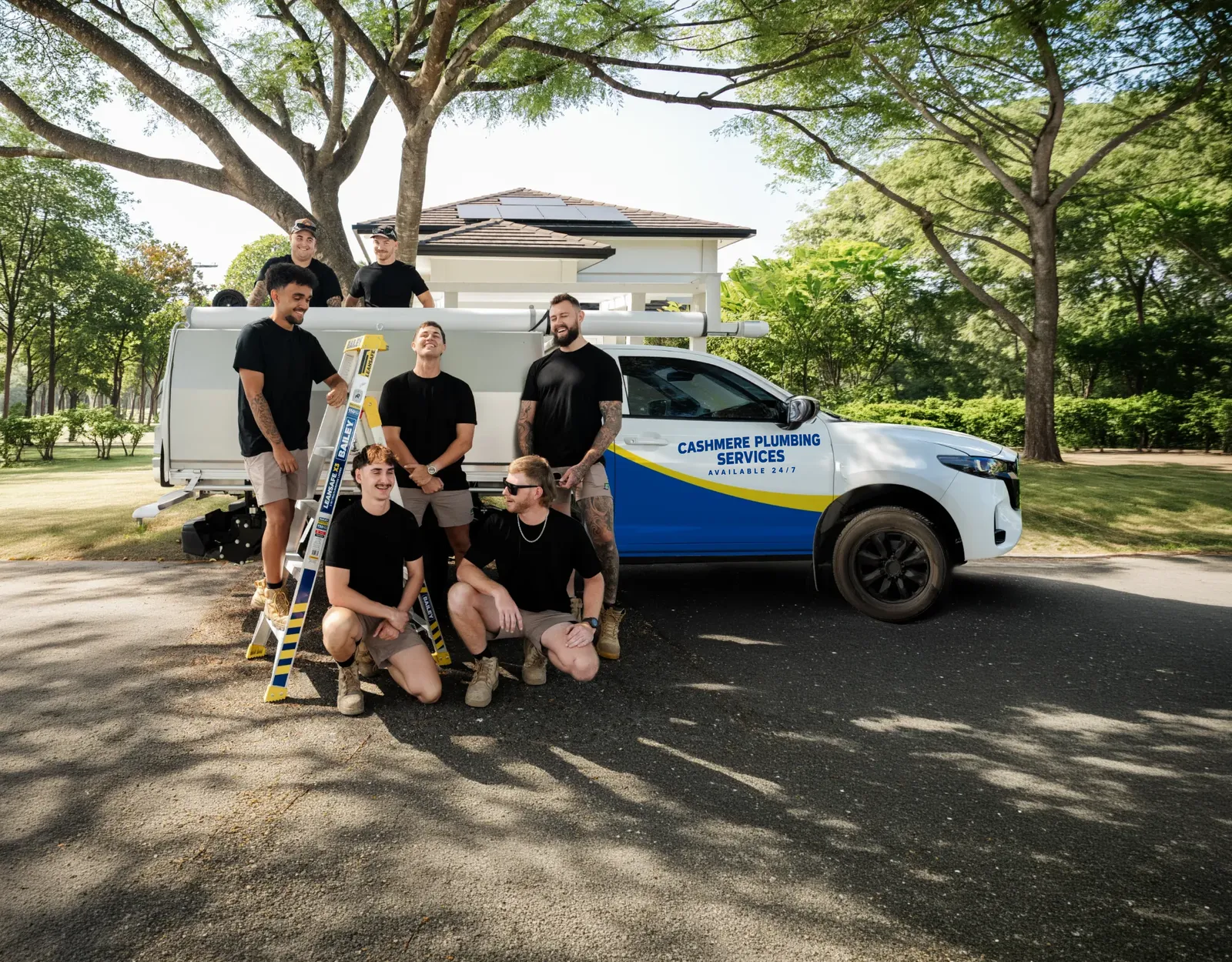
Our licensed plumbers and gasfitters handle both fuels for Cashmere households, from bottle-fed cooktops to piped heaters and bayonet points.
A pipe on the wall is no proof of methane either. Queensland's safety advice also recognises reticulated LPG, a street supply that pipes LPG to homes instead of bottling it. The meter tells you the supply is piped, not which fuel flows through it.
Three checks sort out which supply your place runs on:
A gas meter on the wall
means the house draws piped fuel, either methane or reticulated LPG.
A cylinder or tank in the yard
means bottled LPG, stored as a liquid until the appliance calls for gas.
Neither fuel smells naturally
Mercaptan, added before delivery, gives both the rotten-egg odour that makes a leak obvious.
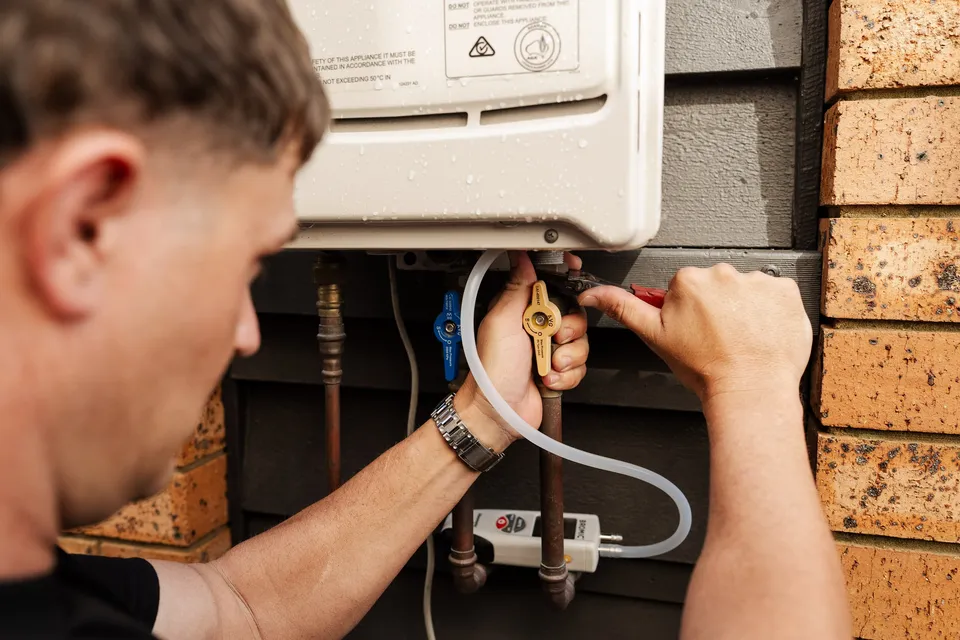
Pipe, Cylinder or Tank Supply Compared
Natural gas travels to a home as methane through a metered network. LPG arrives as a liquefied fuel in bottles and tanks, and reticulated LPG comes the same way as methane, by pipe. The Queensland Government's advice lists three supply paths: piped natural gas, piped reticulated LPG, and bottle or tank LPG.
A home with a gas meter draws from a pipe. A home with a cylinder or tank runs on LPG. Out along Old School Road and the other acreage stretches, tanks and cylinder banks beside the shed are a familiar sight.
Winter gives the choice extra weight in the foothills, which run cooler on winter nights than the coastal plain. A gas unit that quits heating water on a cold night turns the fuel question urgent, and our hot water plumbing page covers that failure.
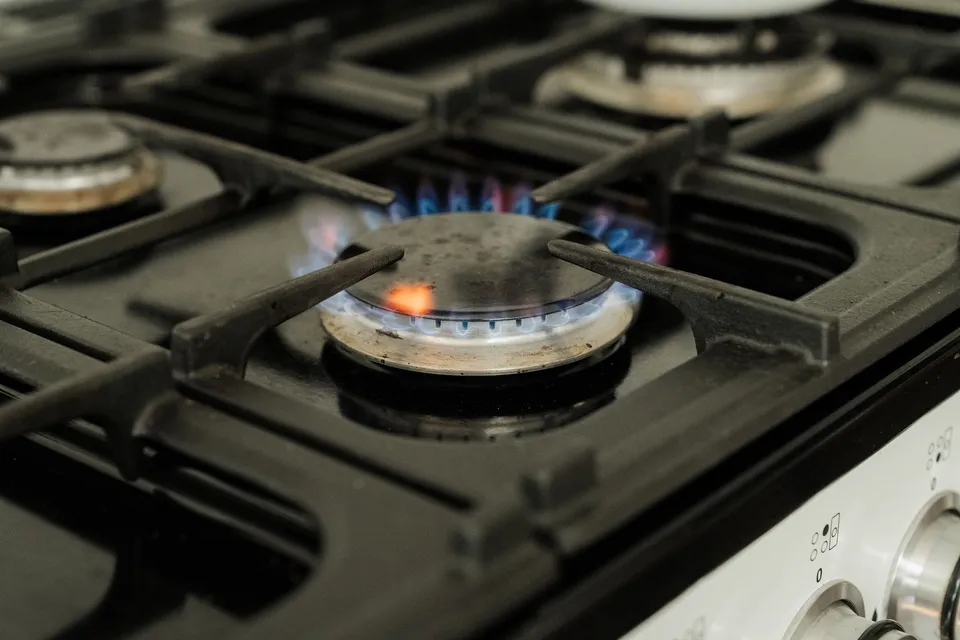
What the Rules Say About Gas Cylinders
Portable cylinders answer to Queensland rules on refills, transport and storage:
Refills
a portable bottle, typically 9 kg, carries a test stamp valid for ten years, and refillers check the date on each cylinder that arrives.
Transport
bottles ride secured, out of the passenger compartment.
Position
cylinders work and rest in ventilated spots, away from excess heat and ignition sources.
Spares
spare bottles stay in one designated secure location.
The valve
each valve stays shut on any idle bottle, empty ones included, and nobody repairs or removes one themselves.
Connected cylinders are the LPG distributor's to maintain and test. A smell or damage around a connected bottle is a call for the distributor, not a shed repair.
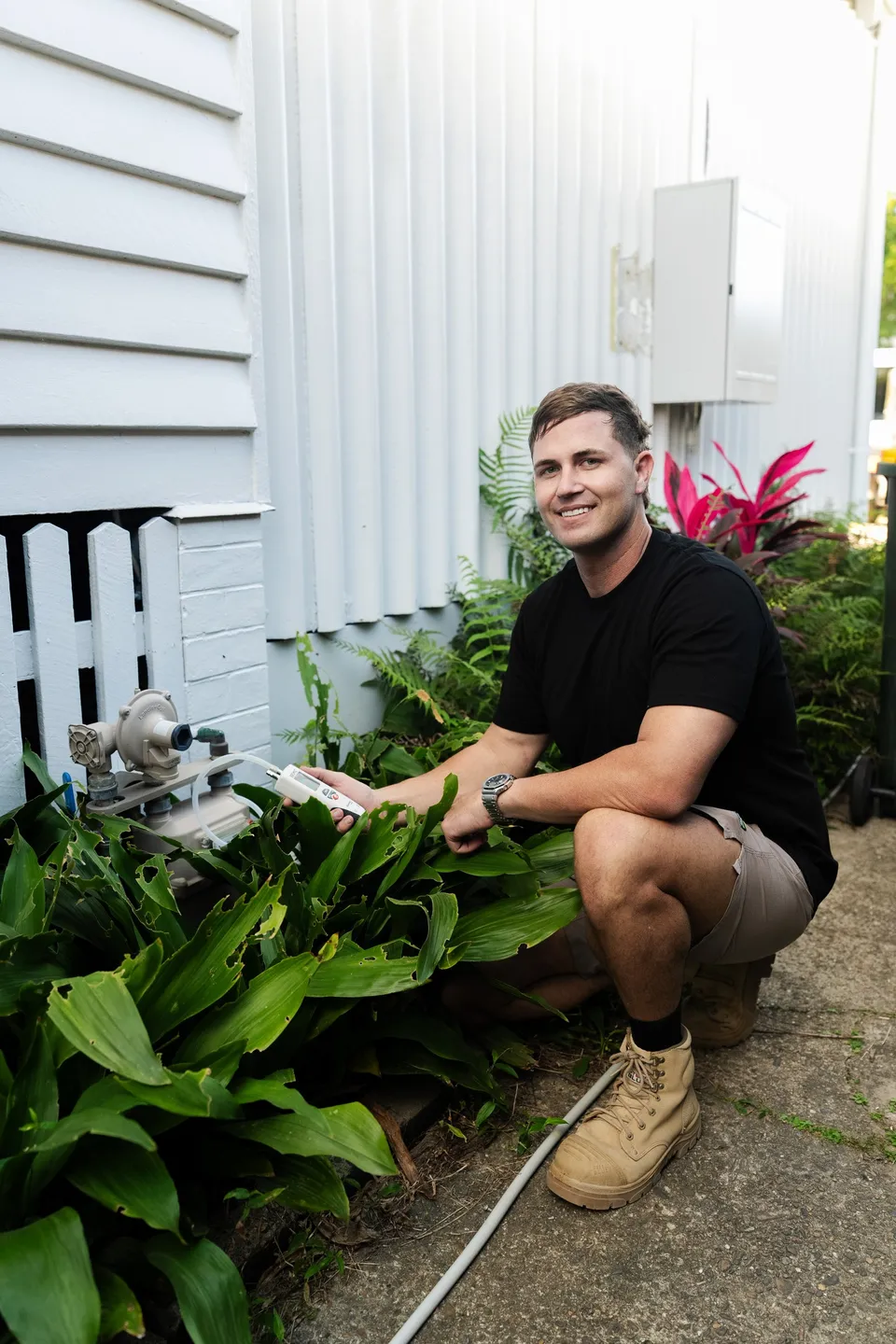
Which Gas Pools in Low Areas and Drains
Methane rises and LPG sinks, and that difference shapes where each fuel gathers after a leak. Natural gas is lighter than air, so escaping methane climbs and thins out in the open. LPG weighs more than air, so escaping gas drops into hollows, stormwater drains and other low ground, which matters on hillside blocks where cut-off drains and culverts collect runoff.
Both fuels burn readily, and neither is poisonous or toxic. The real hazard is a room full of fuel gas displacing the oxygen, which brings nausea and dizziness and can end in suffocation.
For either fuel the steps match: appliance off, windows and doors open, switches untouched. Shut things off at the meter or the bottle if the smell lingers, then call, and 000 if it persists.
Is Gas Appliance Conversion a Licensed Job
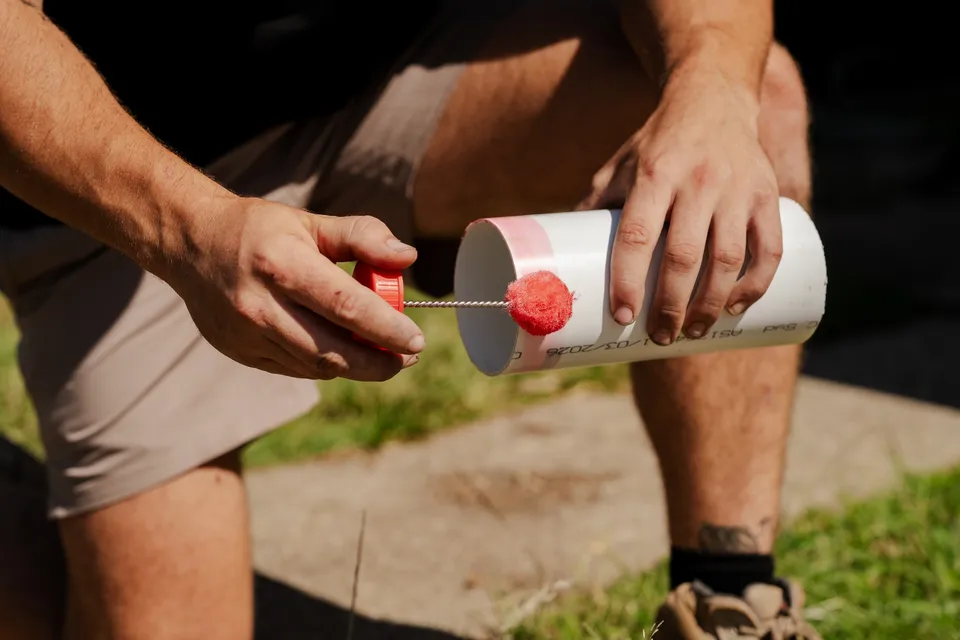
Yes, conversion is licensed gas work in Queensland. Most appliances leave the factory tuned to one fuel, so a cooktop shifting from a piped house to a bottle-fed house needs a conversion. A licensed gasfitter performs the changeover with the parts the appliance maker supplies for that model, then checks the converted appliance.
Gas work covers installing, altering, repairing, servicing and certifying any gas installation. Sight of the gas work licence comes before any tools.
For new cooktops and their connections, our gas cooktop installation page sets out the visit.
When to Call a Plumber
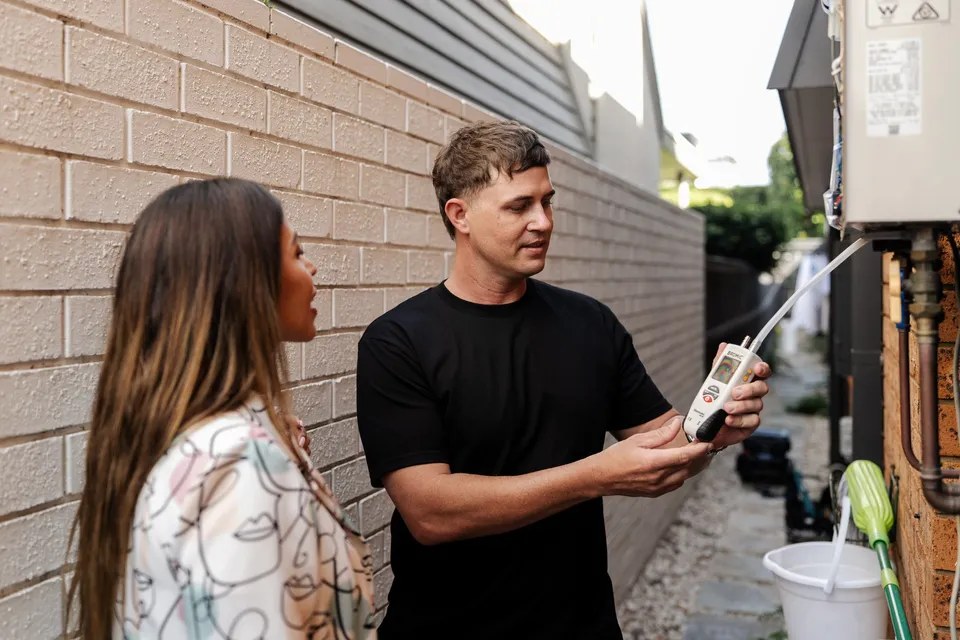
Call a licensed gasfitter for any smell of gas, for a bottle-fed appliance playing up after a swap, or for a cooktop moving between fuels. Cookers, barbecues and similar appliances also deserve periodic servicing by a licensed gasfitter, following the maker's instructions.
Questions We Get About Home Gas
Call (07) 3524 0766Is LPG heavier than air?
Yes, LPG sinks rather than rises, so a leak can collect in drains and hollows. Methane, the gas in piped supply, is lighter and climbs away outdoors. Treat any gas smell as urgent.
Can a gas cooktop run on both LPG and natural gas?
No, most cooktops are tuned to one fuel at the factory. A licensed gasfitter converts an appliance between fuels with the maker's own parts for that model, and checks the appliance afterwards.
What does the 10-year stamp on a gas cylinder mean?
The stamp records the last test date. Refillers in and around Cashmere check every bottle, and a portable cylinder, typically 9 kg, needs a test within ten years to be refilled.
How should I store a spare gas cylinder at my Cashmere place?
Spares belong in one designated secure spot outdoors, well ventilated and clear of anything hot or able to spark. Stand each bottle secured with the valve shut, empty ones included, and never carry a cylinder loose in the car.

Talk to Us About Your Gas SupplyWe'll call you back.
Ring (07) 3524 0766 and tell us what's wrong. You get $0 call-out fees, a fixed quote before any work starts and same-day where we can, 7 days a week.
To claim your $0 call-out fee, call (07) 3524 0766 today.